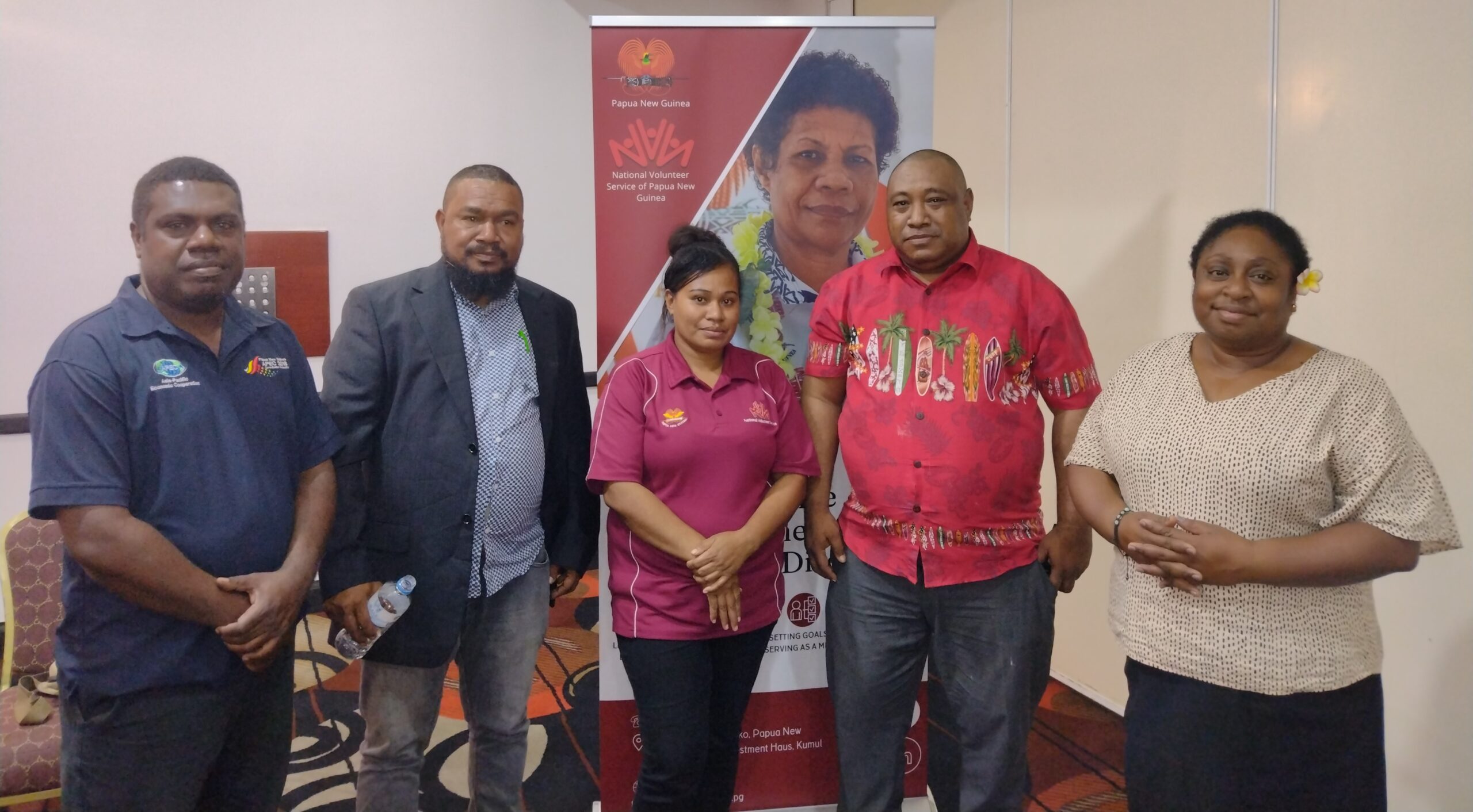
Policy Planning Research Information Monitoring & Evaluation Division
The Policy Planning, Research, Monitoring & Evaluation Division serves as the strategic backbone of the National Volunteer Service (NVS), driving evidence-based decision-making, policy coherence, and program accountability. It ensures that volunteer initiatives are aligned with national development priorities and are effectively designed, implemented, and assessed for impact.
This division plays a critical role in shaping organizational strategy by conducting research, analyzing trends, and providing insights that inform policy development. It ensures that NVS programs are guided by reliable data and that outcomes are measured against clear performance indicators. Through robust monitoring and evaluation frameworks, the division promotes transparency, strengthens accountability, and supports continuous improvement across all levels of the organization.
In addition, the division fosters collaboration with government agencies, development partners, and civil society organizations to harmonize volunteerism with broader national and international development agendas. By integrating research and policy planning with monitoring and evaluation, it ensures that NVS remains responsive to emerging challenges while maximizing the impact of volunteer contributions.
Through its work, the Policy Planning, Research, Monitoring & Evaluation Division reinforces NVS’s role as a trusted institution, ensuring that volunteerism continues to serve as a catalyst for sustainable, inclusive, and people-centered development in Papua New Guinea.
Core Mandate:
To provide strategic direction, generate actionable insights, and uphold performance standards across all NVS programs through integrated policy development, research, and monitoring systems.
This division plays a critical role in shaping organizational strategy by conducting research, analyzing trends, and providing insights that inform policy development. It ensures that NVS programs are guided by reliable data and that outcomes are measured against clear performance indicators. Through robust monitoring and evaluation frameworks, the division promotes transparency, strengthens accountability, and supports continuous improvement across all levels of the organization.
In addition, the division fosters collaboration with government agencies, development partners, and civil society organizations to harmonize volunteerism with broader national and international development agendas. By integrating research and policy planning with monitoring and evaluation, it ensures that NVS remains responsive to emerging challenges while maximizing the impact of volunteer contributions.
Through its work, the Policy Planning, Research, Monitoring & Evaluation Division reinforces NVS’s role as a trusted institution, ensuring that volunteerism continues to serve as a catalyst for sustainable, inclusive, and people-centered development in Papua New Guinea.
Strategic Objectives:
- Strengthen the policy and legislative framework for volunteerism in PNG.
- Promote evidence-based planning and decision-making.
- Enhance transparency, accountability, and learning across NVS operations.
- Foster inclusive stakeholder participation in shaping volunteer programs.
By integrating planning, research, and evaluation, the division ensures that NVS remains responsive and aligned with the evolving needs of communities across Papua New Guinea.
Achievement features
Launching Of the Corporate Plan 2026-2031
ANNUAL OPERATION PLAN 2026
The Policy Planning Section serves as a strategic arm of the Policy Planning, Research, Monitoring & Evaluation Division within the National Volunteer Service (NVS). Its core mandate is to develop, review, and align volunteer-related policies with national development priorities and international best practices.
By providing clear policy frameworks, the section ensures that volunteer programs are guided by coherent strategies that promote inclusive participation, community empowerment, and sustainable impact. It plays a vital role in translating national goals into actionable policies that strengthen the role of volunteerism in Papua New Guinea’s development agenda.
The section also supports legislative advocacy, policy harmonization, and institutional alignment, ensuring that NVS remains responsive to evolving social, economic, and cultural needs. Through its work, the Policy Planning Section reinforces the credibility of NVS as a policy leader, enabling volunteerism to contribute meaningfully to national unity, resilience, and long-term growth.
The Research and Information Section plays a pivotal role in generating evidence, managing data, and informing strategic decisions that enhance the impact of volunteerism across Papua New Guinea. It supports policy development, program design, and performance monitoring through rigorous research and effective information management.
This section is responsible for collecting, analyzing, and disseminating data that guides the National Volunteer Service (NVS) in aligning its programs with national priorities and community needs. By maintaining reliable information systems, it ensures that decision-making is evidence-based and that program outcomes are measured accurately.
In addition to data management, the Research and Information Section fosters knowledge sharing across divisions, promotes organizational learning, and strengthens transparency and accountability. Its work ensures that NVS remains responsive to emerging trends, challenges, and opportunities, while continuously improving the quality and relevance of volunteer initiatives.
Through its commitment to evidence-driven practice, the Research and Information Section reinforces NVS’s role as a credible institution, ensuring that volunteerism contributes meaningfully to sustainable development and community empowerment in Papua New Guinea.
The Monitoring & Evaluation (M&E) Section is responsible for tracking the performance, effectiveness, and impact of volunteer programs across Papua New Guinea. It ensures that National Volunteer Service (NVS) initiatives are results-driven, accountable, and continuously improved through evidence-based learning.
This section designs and implements monitoring frameworks that measure program outputs, outcomes, and long-term impact. By collecting and analyzing data, it provides valuable insights into the effectiveness of volunteer initiatives and identifies areas for improvement.
The M&E Section also plays a critical role in promoting transparency and accountability by ensuring that program results are documented, reported, and shared with stakeholders. It fosters a culture of learning within NVS, enabling the organization to adapt strategies, strengthen program delivery, and maximize the benefits of volunteerism for communities.
Through its commitment to rigorous evaluation, the M&E Section ensures that NVS remains responsive to evolving needs, aligned with national development priorities, and capable of demonstrating the tangible contributions of volunteerism to sustainable development in Papua New Guinea.