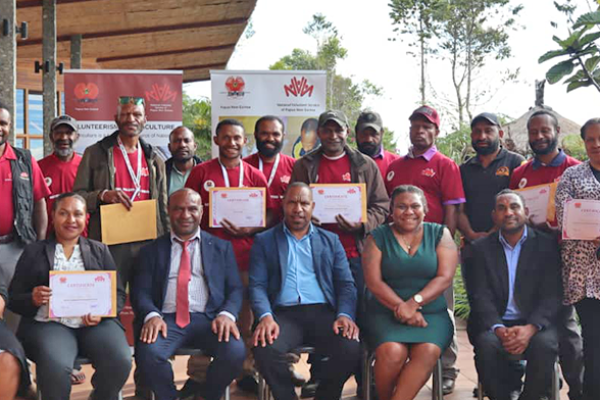
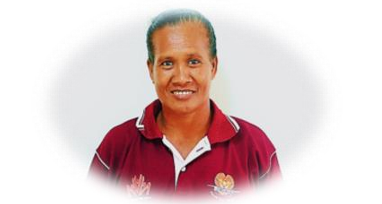
Batch 20 Volunteers
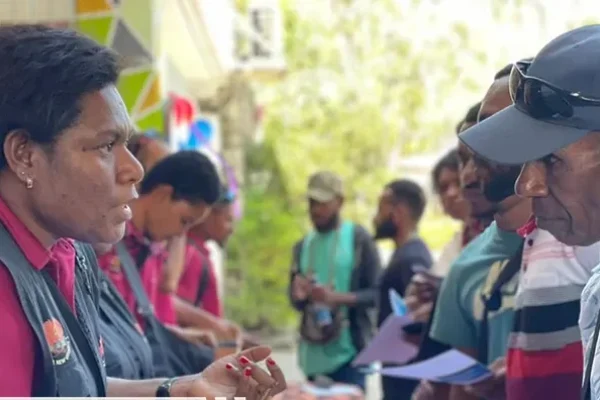
Momase Region Pre-Service Orientation


Momase Region Pre-Service Orientation
Batch 19 Volunteers
Your Partner of Choice in Service Delivery


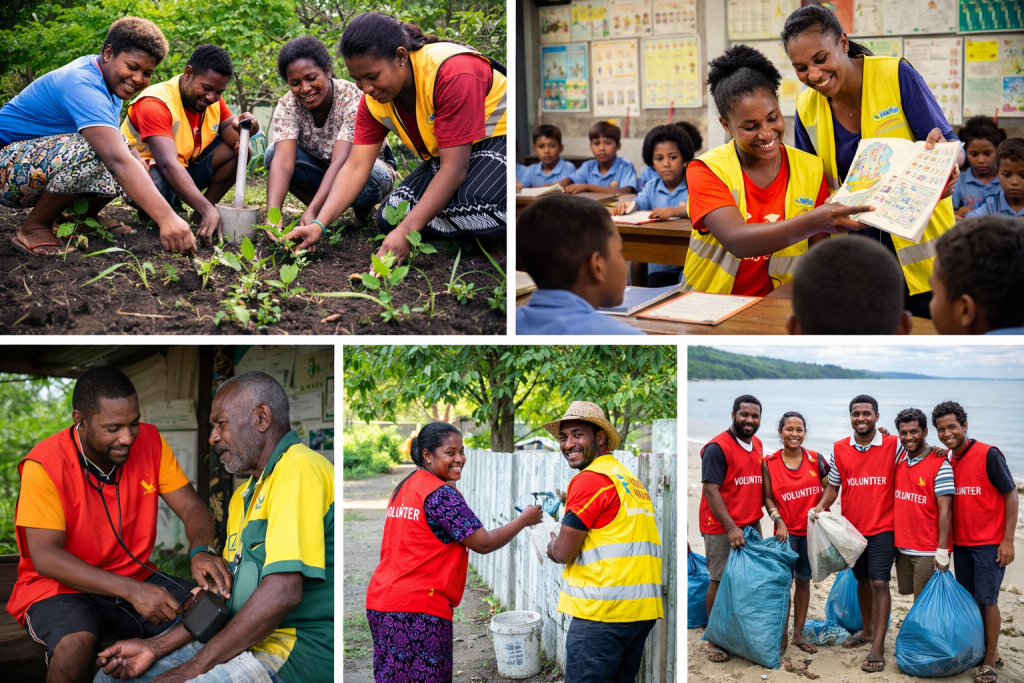
National Volunteer Service of Papua New Guinea is a state Agency responsible in volunteer placement and volunteer management programs in communities around PNG.
To promote and support citizen participation in sustainable, people-centered development.
To be part of a nation-building driving the force instrumental in community empowerment in community development aimed at reducing inequality, dependency alleviating and poverty.
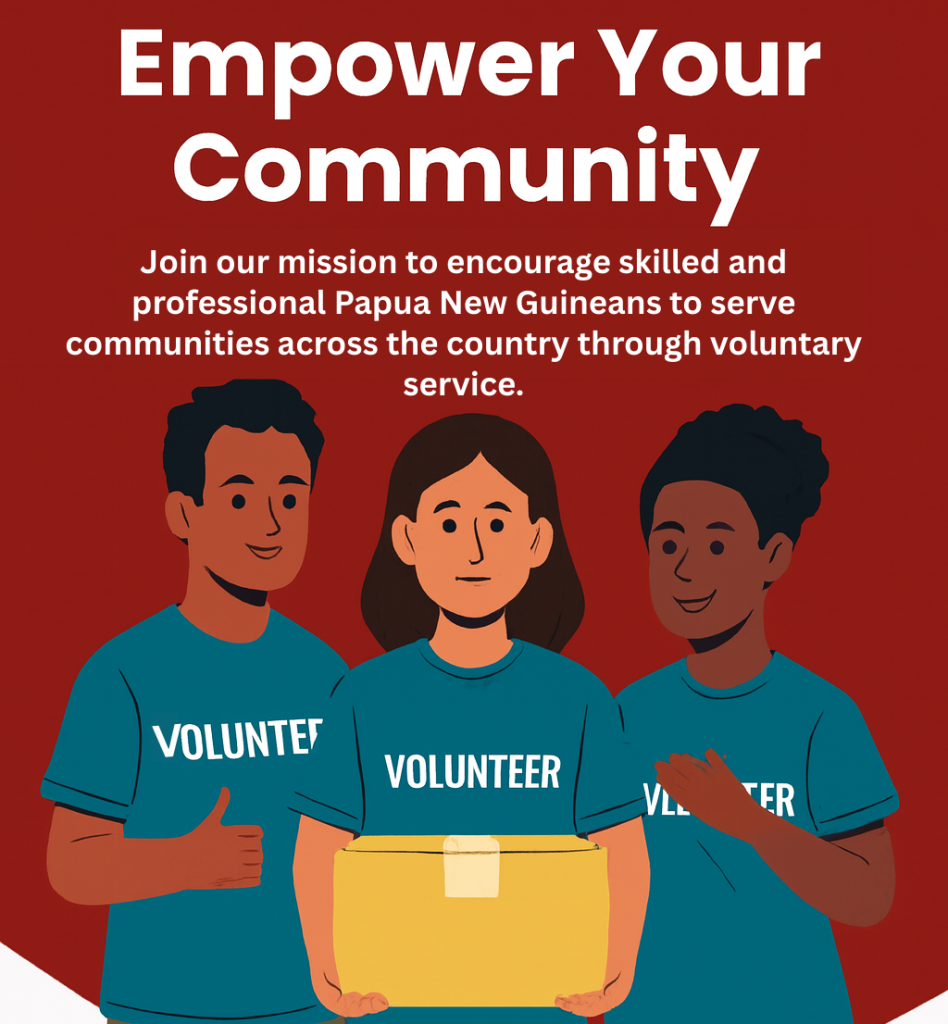
The National Volunteer Service (NVS), established under the National Volunteer Service Act of 1990, was created to institutionalize volunteerism as a cornerstone of socio-economic development in Papua New Guinea. Its mission is to embed the values of sacrifice, service, and civic responsibility into the national consciousness, while mobilizing the skills, labor, and expertise of citizens to support both community-driven initiatives and government development priorities. By doing so, NVS contributes to strengthening economic activity at the village and community levels, empowering grassroots development, and fostering inclusive national progress.
Beyond mobilization, the Service provides structured opportunities for volunteers to educate, train, and build capacity across diverse sectors. Volunteers act as agents of change, transferring knowledge, enhancing local skills, and demonstrating commitment to the nation’s long-term development goals. The NVS mandate also extends to cooperation with state agencies, provincial administrations, churches, and voluntary organizations within Papua New Guinea, while maintaining collaborative ties with international institutions to advance humanitarian objectives. In essence, NVS functions as a national framework to coordinate, empower, and integrate volunteer contributions into the broader development agenda, ensuring that volunteerism is not only recognized but strategically harnessed for nation-building.
NVS operates under the guidance of a Governing Council, which is composed of representatives from key government agencies, churches, non-governmental organizations (NGOs), and the private sector. This Council provides policy direction, oversight, and ensures that the Service remains aligned with national priorities. The Council reports directly to the Minister for Defence, reinforcing the Service’s role as a strategic partner in national development and security through community resilience and empowerment.
At the heart of NVS’s agenda is the promotion of professional volunteerism, which emphasizes structured volunteer placement, management, and accountability. This approach ensures that volunteers are not only motivated by goodwill but also equipped with the necessary skills and frameworks to deliver measurable impact in their areas of service.
The organization is structured into five divisions, each responsible for implementing programs aligned with specific Key Result Areas (KRAs). These divisions collectively ensure that NVS’s operations are comprehensive, covering aspects such as volunteer recruitment and training, program development, monitoring and evaluation, partnerships and outreach, and administrative support. Through this divisional framework, NVS maintains efficiency, clarity of purpose, and adaptability to evolving national needs.
Key Statistics and Operational Priorities
The Outgoing Batch 19 marks another milestone in the ongoing efforts of the National Volunteer Service to mobilize citizens in support of Papua New Guinea’s development agenda. Building on this momentum, the organization has set ambitious operational priorities for 2026, reflecting its commitment to scale up volunteerism and strengthen institutional capacity.
Key priorities include:
Targeted Volunteer Interventions
Volunteer programs in 2026 will be strategically directed toward priority sectors that are critical to Papua New Guinea’s socio-economic development:
These interventions are designed to contribute directly to the Medium-Term Development Plan IV (MTDP IV) outcomes, particularly in the areas of human capital development, skills transfer, and employment creation. By aligning volunteer efforts with national development strategies, NVS ensures that volunteerism remains a driving force for inclusive growth and long-term sustainability.
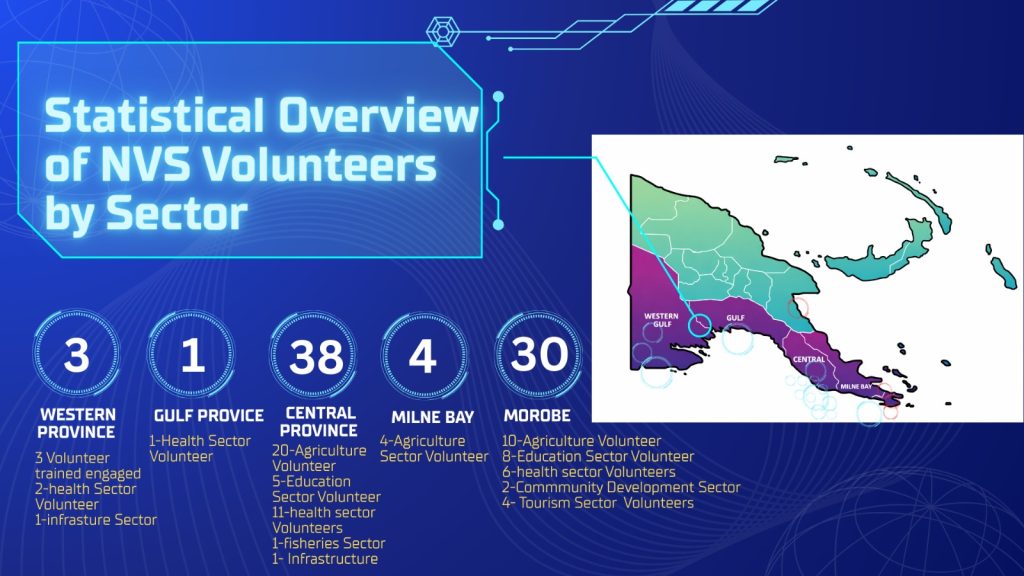
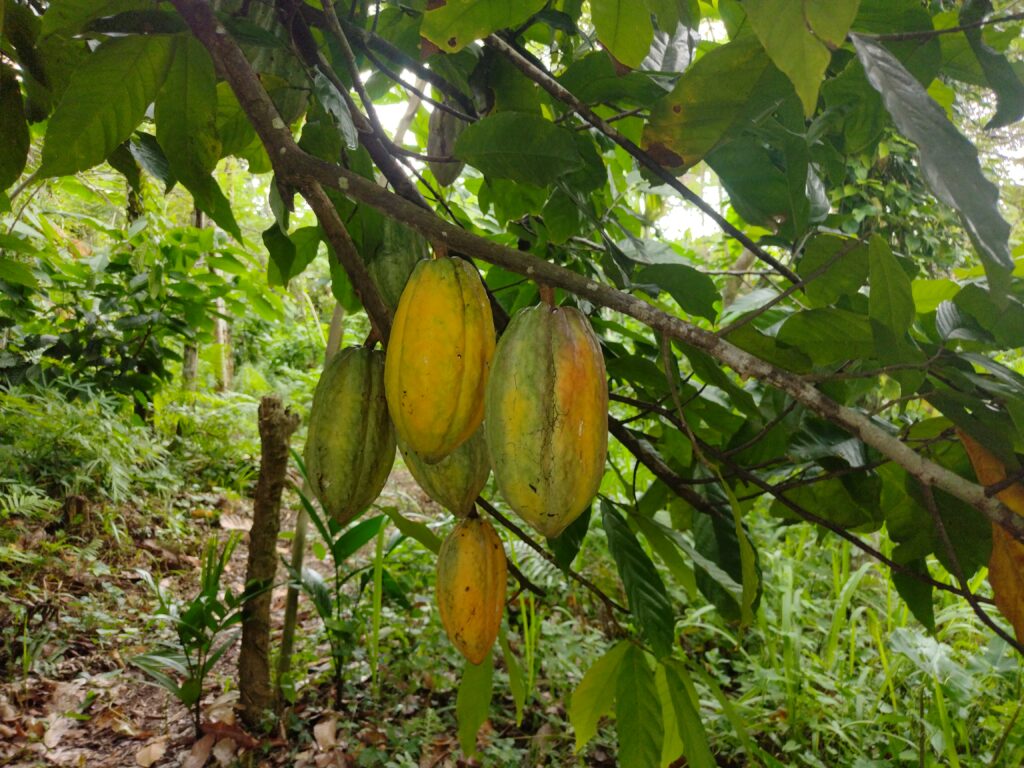
Agriculture, Aqua Culture (fish farming), Fisheries, Forestry, Tourism and Financial Inclusion.
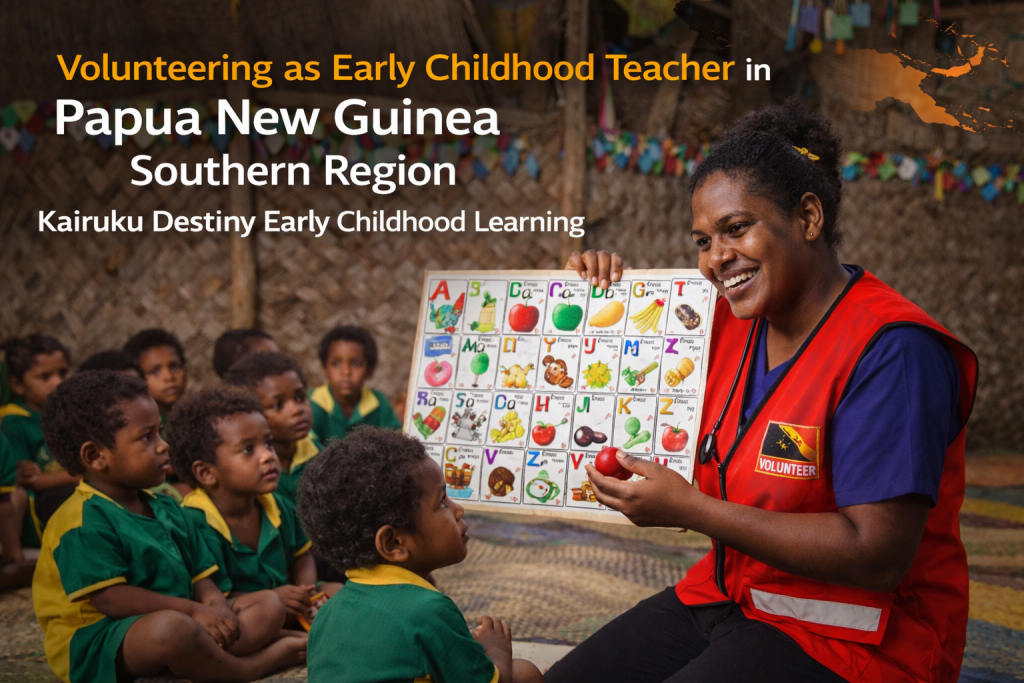
Health, Education (early childhood and adult literacy and primary education) and sports
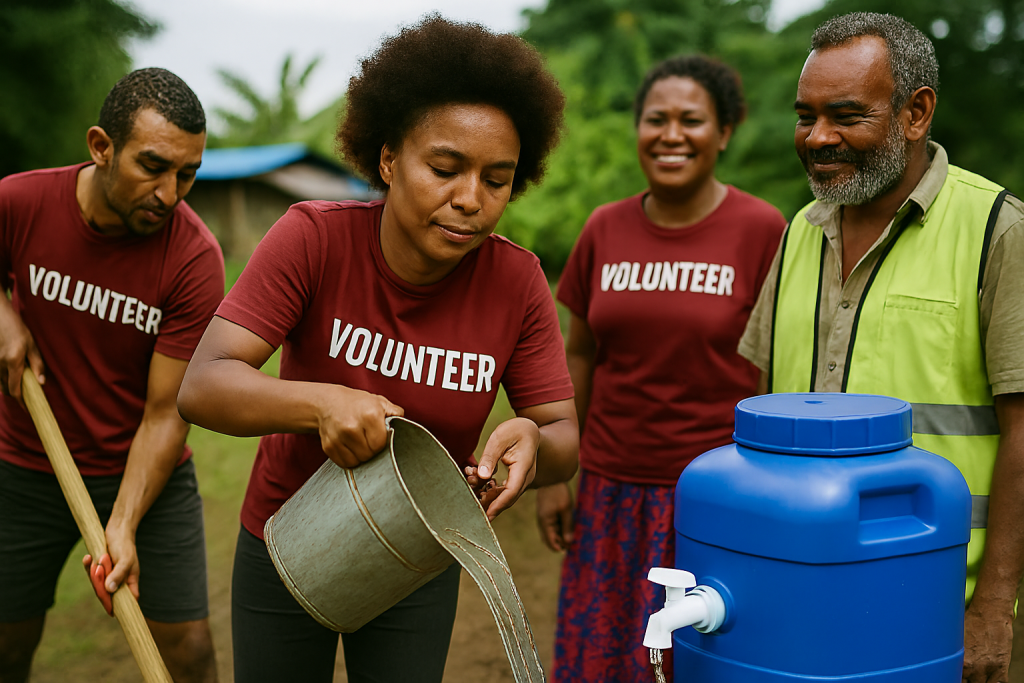
Transport, Water, Sanitation and Hygiene
Youth, Gender, HIV Aids, Vulnerable and Disadvantaged groups, Climate Change and Natural Disaster Management.
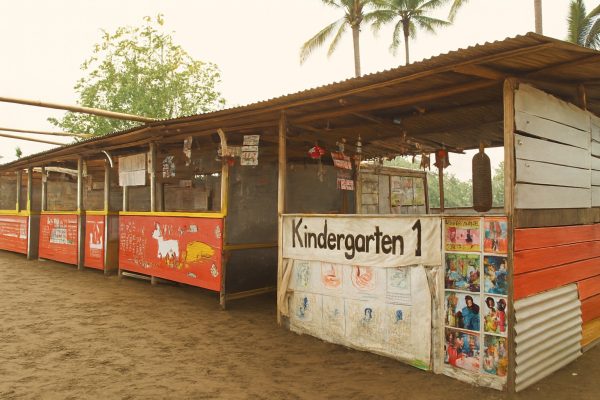
“I was troubled when I made the decision,” said Theresa, now 37. “I had so many questions—where would my family stay? How would we manage? But my heart for these children was stronger.”


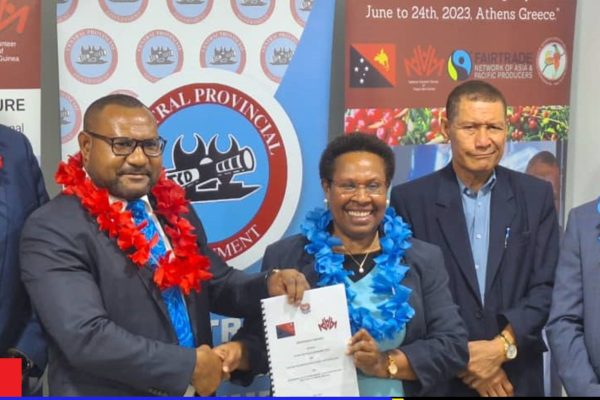
K2.5 Milion MoA Signed between Central Governtment and National Volunteer Service of Papua New Guinea
Young people are strongly encouraged to embrace volunteerism, as it plays a vital role in shaping responsible, skilled, and community-minded citizens. By participating in volunteer activities, youths gain invaluable life experiences that extend beyond the classroom. They develop essential skills such as leadership, teamwork, problem-solving, and communication, while also building confidence and resilience. These qualities not only prepare them for future employment but also enable them to contribute meaningfully to society.
Volunteerism strengthens communities by fostering collaboration and mutual support, while at the same time nurturing a sense of civic responsibility, social awareness, and national pride among young people. Through service, youths broaden their perspectives, learn to appreciate diversity, and cultivate empathy for others. They become empowered to take ownership of their communities, champion positive change, and actively participate in nation-building and sustainable development.
Moreover, youth volunteerism creates pathways for skills transfer and employability, linking young people to opportunities that enhance their career prospects. It also instills values of discipline, sacrifice, and commitment—qualities that are essential for building a strong and united Papua New Guinea. In this way, volunteerism is not only a personal growth journey for youths but also a strategic investment in the country’s future leadership and workforce.