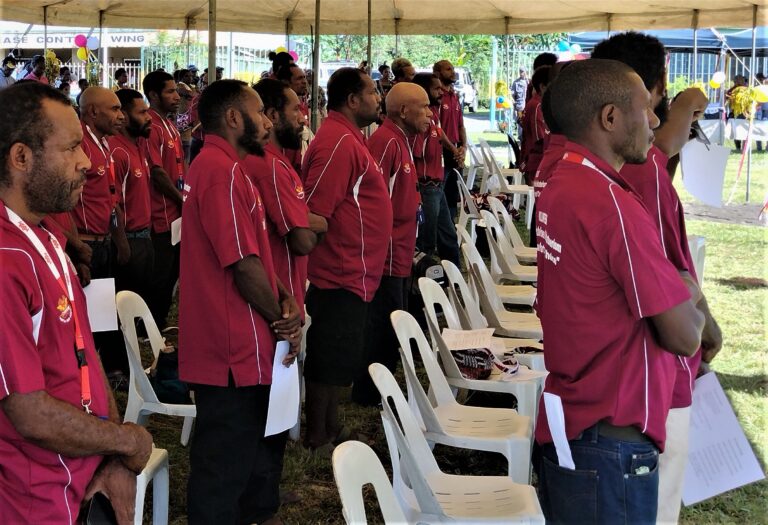
Council members
Governance of the National Volunteer Service
The National Volunteer Service (NVS) is governed by a Council that provides strategic direction and oversight for the organization’s operations.
The Council is composed of:
- The Chairman
- Four Councilors
- The Executive Director (serving as an ex-officio member)
Appointments to the Council are made by the Minister responsible, acting through the National Executive Council (NEC). Each appointment is for a term of three years, with members eligible for re-appointment upon completion of their term.
This governance structure ensures that NVS remains accountable, transparent, and aligned with national priorities. The Council plays a critical role in:
- Providing policy direction and oversight
- Ensuring effective coordination of volunteer programs
- Strengthening partnerships with government, civil society, and international organizations
- Safeguarding the values of sacrifice, service, and community development
Through this framework, the Council guarantees that the National Volunteer Service continues to operate as a trusted institution, mobilizing citizens to contribute meaningfully to Papua New Guinea’s socio-economic development.
the Roles and Function of NVS Council
The National Volunteer Service Act of 1990 formally established the NVS Council as the governing body of the organization.
The Council is entrusted with the responsibility to:
- Perform the functions of the Service
- Exercise its powers as mandated by law
- Manage the overall affairs of the organization
In fulfilling these responsibilities, the Council serves as the legal representative of the organization’s stakeholders. These stakeholders include:
- Development partners and donors
- Private sector joint partners
- Civil Society Organizations (CSOs)
- Churches and faith-based institutions
- Community-Based Organizations (CBOs)
- Sub-National governments
- Partner organizations and/or communities
- The volunteers themselves
As the representative body, the Council has the critical responsibility of establishing, guiding, and assessing the overall direction of NVS. This is achieved through the Office of the Executive Director (OED), with the Executive Director (ED) serving as the Head of Agency (HOA).
Strategic Direction
The Chairman of the Council of NVS, together with the Council Members, is responsible for setting the overall strategic direction of the organization.
This responsibility involves establishing clear policies and defining organizational goals that provide guidance to the Executive Director and the wider leadership and management team of NVS.
By setting the strategic direction, the Council ensures that the National Volunteer Service remains aligned with its legislative mandate, national development priorities, and the evolving needs of communities across Papua New Guinea.
The Council’s leadership role is not limited to oversight but extends to shaping the vision of NVS, strengthening its institutional capacity, and ensuring accountability and transparency in its operations.
Through this framework, the Council guarantees that NVS continues to operate as a trusted institution, mobilizing volunteers and resources to support sustainable, people-centered development and contributing meaningfully to the nation’s long-term growth and resilience.
Organizational Governance
The National Volunteer Service (NVS) Council is entrusted with the responsibility of formulating the rules of governance for the organization and establishing procedures that ensure effective oversight of its policies and operations. As the governing body, the Council safeguards accountability and transparency, ensuring that the organization’s activities remain consistent with its legislative mandate, policy frameworks, and national development priorities.
When questions of policy arise at the highest levels, the Council plays a decisive role in determining their relevance, assessing their impact, and guiding the final outcome. This authority positions the Council as the ultimate decision-making body, capable of steering the organization through complex challenges while maintaining its integrity and purpose.
Through this governance framework, the Council provides strategic leadership, strengthens institutional capacity, and ensures that the values of sacrifice, service, and community development continue to guide the philosophy and practice of volunteerism in Papua New Guinea. In doing so, it guarantees that NVS remains a trusted institution, responsive to the needs of its stakeholders and committed to advancing sustainable, people-centered The National Volunteer Service (NVS) Council is entrusted with formulating the rules of governance for the organization and establishing procedures that ensure effective oversight of its policies and operations.
The Council plays a central role in safeguarding accountability and transparency within NVS. It ensures that the organization’s activities remain consistent with its legislative mandate, policy frameworks, and national development priorities.
When questions of policy arise at the highest levels, the Council is directly involved in determining their relevance, assessing their impact, and guiding the final outcome. This authority allows the Council to act as the ultimate decision-making body, ensuring that NVS remains responsive to the needs of its stakeholders and communities across Papua New Guinea.
Through this governance framework, the Council provides strategic leadership, strengthens institutional capacity, and guarantees that the values of sacrifice, service, and community development continue to guide the philosophy and practice of volunteerism in Papua New Guinea development across the nation.
Account to Stakeholders
The Executive Director, as the Head of Agency (HOA), together with the Council, is held accountable to the organization’s corporate stakeholders, private sector partners, and development donor partners for the services delivered under formal partnership agreements. This accountability framework ensures that all programs and initiatives undertaken by the National Volunteer Service are transparent, measurable, and aligned with the expectations of its diverse partners. To uphold this responsibility, quarterly performance and budget review meetings are legislatively mandated, providing a structured platform for assessing progress, identifying challenges, and refining strategies. In addition, quarterly financial reporting is carried out to give a clear account of resource utilization and outcomes achieved. These reports are shared not only with partners and stakeholders but also with the relevant government central agencies, reinforcing the Service’s commitment to transparency, good governance, and responsible stewardship of resources. Through these mechanisms, the National Volunteer Service demonstrates its dedication to maintaining trust, strengthening partnerships, and ensuring that volunteer-driven initiatives continue to contribute meaningfully to Papua New Guinea’s national development agenda.
Expectations
Council Members of the National Volunteer Service are expected to play an active role in both the governance and promotion of the organization. They participate in standing and ad-hoc sub-committees, ensuring that they remain engaged with the operational and strategic aspects of NVS. In fulfilling these responsibilities, Council Members are expected to be familiar with the organization’s services, programs, and brand identity, and to actively promote its mission and values within their networks. Their involvement also requires a sound understanding of the organization’s policies and procedures, enabling them to provide informed guidance and oversight. In a non-profit or government agency such as NVS, Council Members are further expected to support the organization’s fundraising efforts, particularly those directed toward volunteer projects. Their advocacy and engagement are essential in mobilizing resources and strengthening partnerships that sustain the work of NVS. One of the specific functions of the Council is to monitor the adequacy of the Corporate Plan and to evaluate its implementation. Once the Corporate Plan is adopted, a copy is forwarded to the Council to facilitate its review and ensure that the plan remains relevant, achievable, and aligned with the organization’s mandate. Through these expectations, Council Members contribute not only to the governance of NVS but also to its visibility, sustainability, and effectiveness as a national institution dedicated to volunteerism and community development.

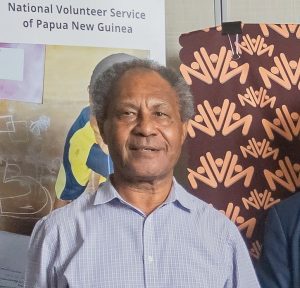
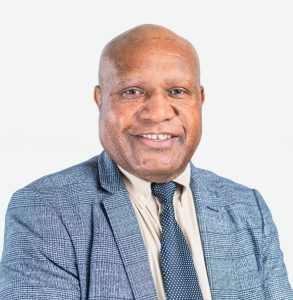
Secretary –Department of Provincial & Local Level Government Affairs (DPLLGA)